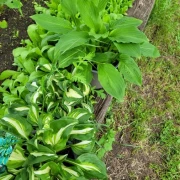

This is how hostas grow
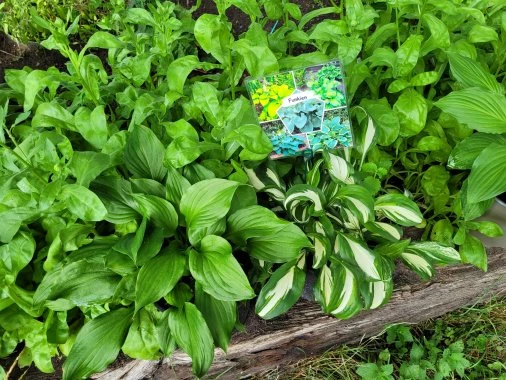
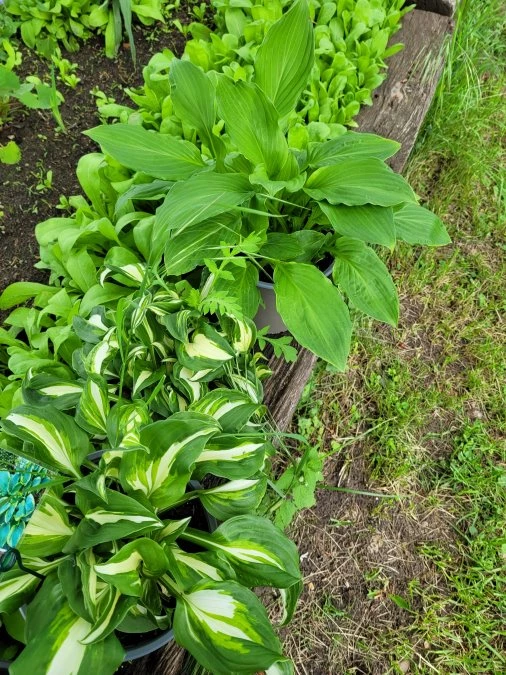
Hostas grow as very small perennials or as large trees. The leaves vary depending on the variety. They are either heart-shaped, sometimes reminiscent of a spade, or grow to a point.
The leaves also come in countless different colors. They range from cream white to yellow-green and steel blue to dark green. Some are multi-colored or patterned. In autumn, the leaves of some species turn golden yellow.
The white-edged hosta (Hosta sieboldii), for example, is easily recognized by its namesake white leaf edge.
Hostas grow very slowly. Their rootstocks become thick and fleshy. Additional runners may form. The flowers are bell-shaped and usually white to purple.
The right location for hostas
Hostas are best placed in a partially shaded to shady location. This location is preferably cool and has a consistent level of humidity. The perennials grow well on soils that are rich in humus, sandy to loamy and fresh to moderately moist.
Most hosta species bloom in June and July. However, some varieties do not produce their flowers until August and September. The plant will only grow in full sun if the soil is sufficiently moist. If it is in a windy place, it is susceptible to late frosts.
Pick up only - plants will be sold after the Ice Saints