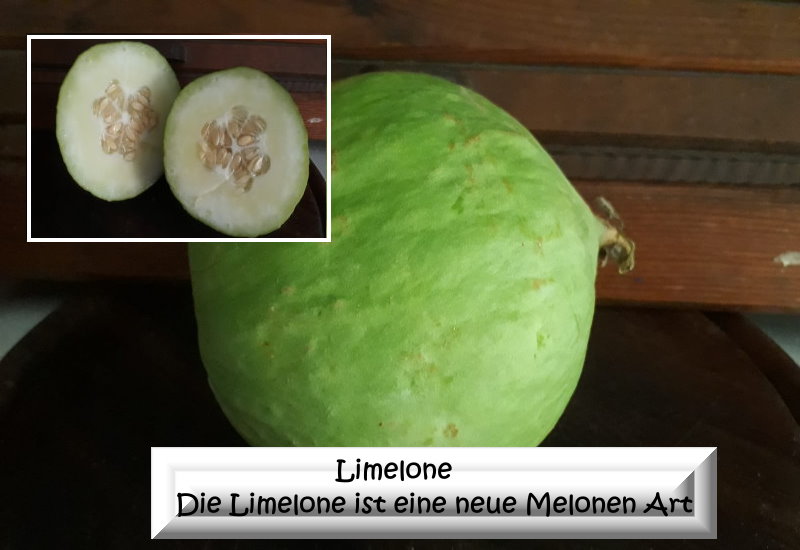




The lime melon, also known as a lemon or lime tree, is a cross between a lemon (Citrus limon) and a lime (Citrus aurantiifolia). It belongs to the rue family (Rutaceae) and is known for its sour taste and versatile use in cooking.
Scientific name:
Citrus × latifolia
Origin:
The exact origin of the lime melon is unclear, but it is commonly grown in tropical and subtropical regions.
Characteristics:
Appearance:
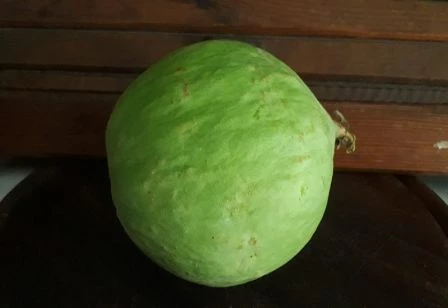
Lime melons are usually oval to round and have a green to yellow-green skin. They are smaller than most lemons.
Flesh:
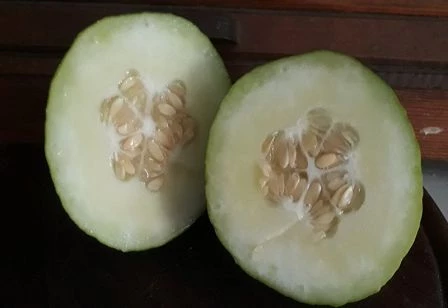
The flesh is juicy, has a greenish color and an intense, sour taste.
Size:
Lime melons are usually about 5 to 7 cm in size.
Growing:
Climate: Lime melons require warm, sunny weather and thrive best in tropical or subtropical climates.
Soil: A well-drained, fertile soil is ideal for growing lime melons.
Watering:
Regular watering is important, especially during dry periods.
Uses:
Culinary:
Lime melons are commonly used in beverages (such as cocktails), dressings, marinades, and desserts. Their juice can also be used to flavor dishes.
Nutrients:
They are rich in vitamin C and contain antioxidants, as well as other important nutrients.
Storage:
Lime melons should be stored at room temperature, but can also be kept in the refrigerator to maintain their freshness. Once cut, they should be consumed within a few days.
Health Benefits:
Eating lime melons can boost the immune system, promote skin health, and aid digestion.
Give: 10 seeds