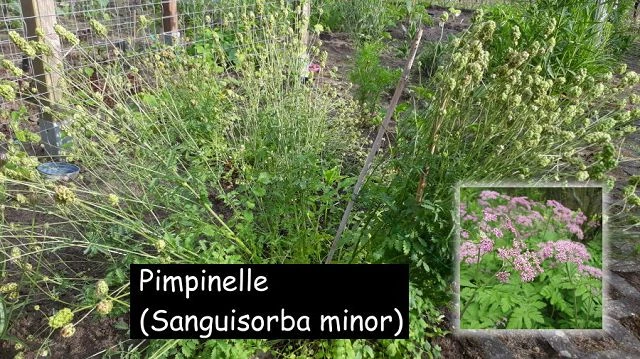

Burnet, also known as "Lesser Burnet" or "Sanguisorba minor", is a perennial herb used in cooking and traditional medicine.
Burnet (Sanguisorba minor)
Appearance:
The plant has pinnate leaves that are green in color and have a delicate, almost herbaceous texture.
The flowers are small and inconspicuous, usually red or greenish, and appear in loose inflorescences.
Growth:
Burnet grows best in well-drained soil and prefers sunny to partially shaded locations.
It can grow up to 30 cm tall and spreads by underground runners.
Cultivation:
Burnet can be propagated by seed or division of existing plants.
Sowing is best done in spring or autumn. The plants require regular watering to thrive well.
Uses in the kitchen:
The leaves of burnet have a mild, slightly peppery flavor and can be used fresh in salads, soups, or as a garnish.
They also work well in herb butter or as an ingredient in herb blends.
Nutrients:
Burntell contains vitamins (such as vitamin C) and minerals, as well as antioxidants. It is often considered a healthy herb.
Traditional medicine:
In traditional medicine, burnet has been used to treat digestive problems and promote wound healing.
However, there is not much scientific evidence to support these uses.
Storage:
Fresh burnet leaves should be stored in the refrigerator and are best used within a few days of harvesting.
Special features:
Burntell is an easy-care plant that is well suited to growing in the garden or in pots.
It also attracts bees and other pollinators, which