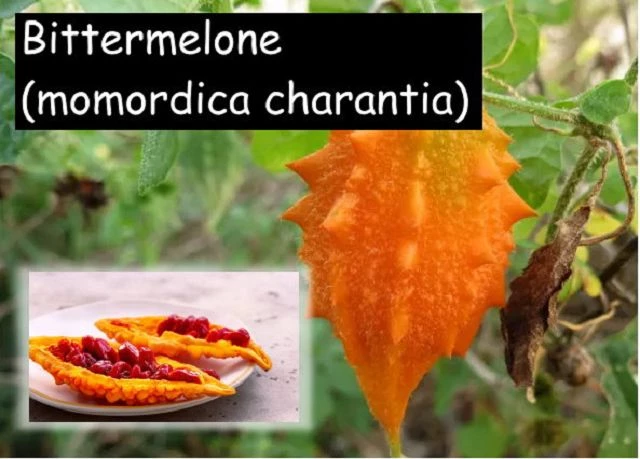

Bitter melon, also known as bitter gourd or Momordica charantia, is a tropical and subtropical plant known for its characteristically bitter fruits.
Appearance:
The bitter melon plant is a climbing plant with long, narrow leaves and yellow flowers.
The fruits are elongated and have an irregular, warty surface. They can be green or yellow and reach a length of about 10 to 25 cm.
Taste:
As the name suggests, bitter melon has a very bitter taste that many people find difficult to get used to. However, the bitterness can be mitigated by various preparation methods.
Cultivation:
Location:
Bitter melons require a sunny location and well-drained soil.
Sowing:
The seeds can be sown directly outdoors after the danger of frost has passed. In warmer climates, sowing can take place all year round.
Care:
Regular watering is important to encourage growth. The plants require support for climbing, such as a trellis or trellis.
Nutrients:
Bitter melons are low in calories and contain vitamins (such as vitamin C and A), minerals (such as iron and potassium), and antioxidants.
They are also high in fiber.
Uses in Cooking:
In many Asian cuisines, bitter melon is used in various dishes, including curries, soups, and stir-fries.
Before cooking, it is often recommended to slice the fruit and sprinkle with salt to reduce bitterness.
Traditional Medicine:
In traditional medicine, bitter melon is often used to treat diabetes, as it is considered to lower blood sugar.
It is also used to support the immune system and aid digestion.
5 seeds 2€