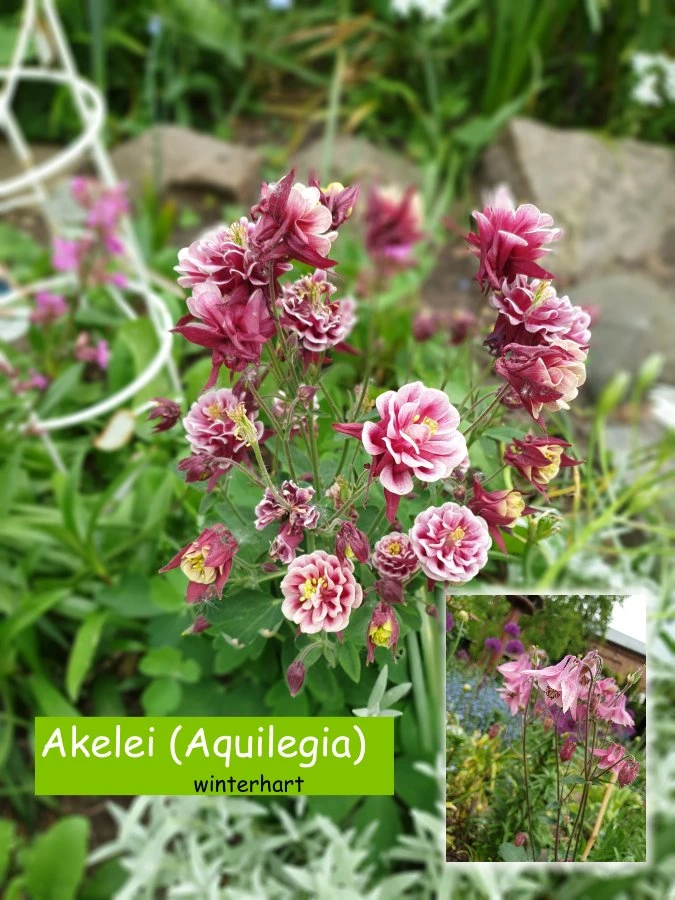
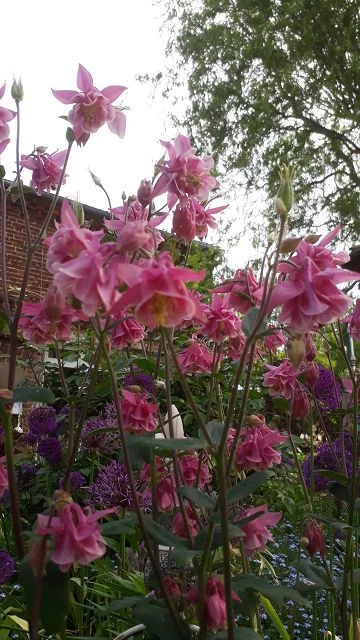
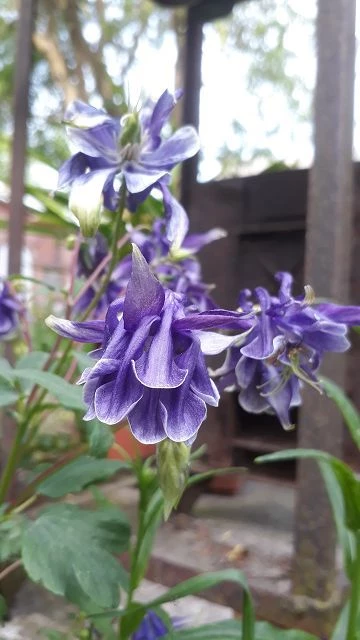
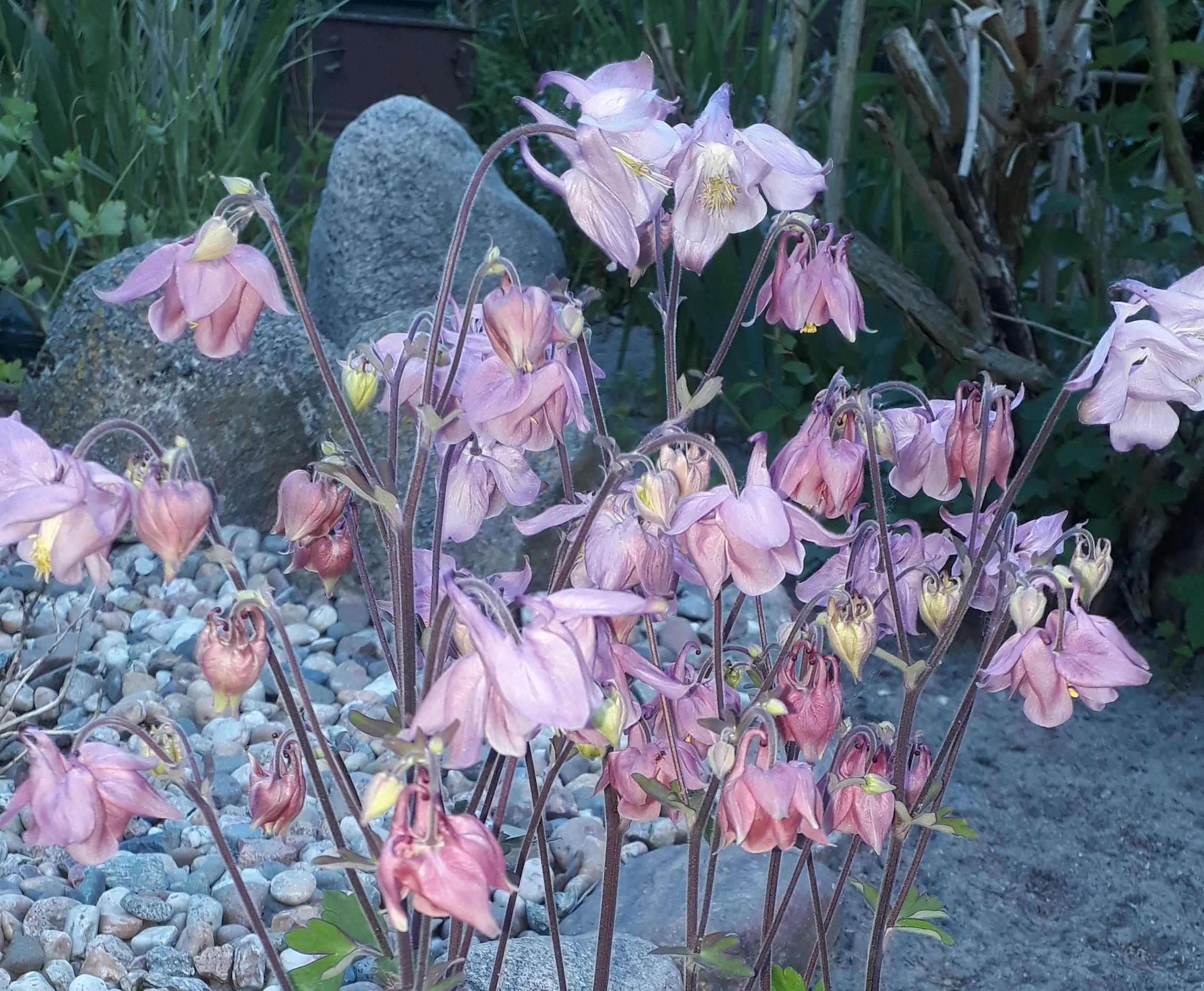
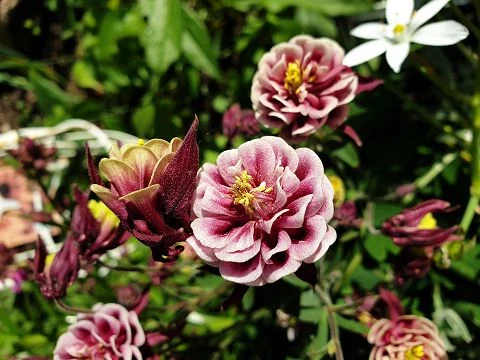
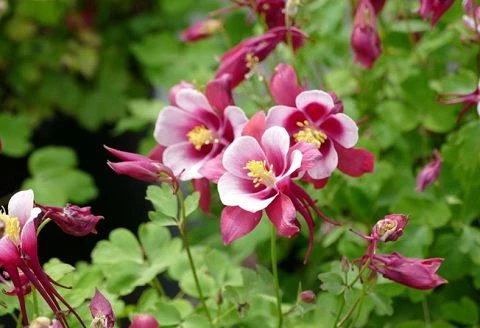
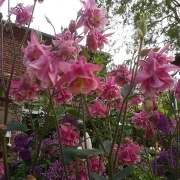
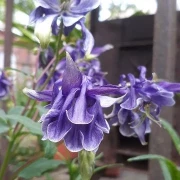
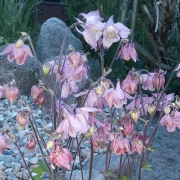
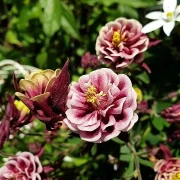
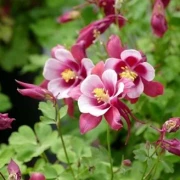

The columbine (Aquilegia) is a beautiful and versatile plant that can be found in many gardens.
General information:
Family: The columbine belongs to the buttercup family (Ranunculaceae).
Genus: Aquilegia
Distribution: Columbines are widespread in the temperate zone of the Northern Hemisphere, particularly in Europe,
North America and Asia.
Characteristics:
Flowers: The flowers of the columbine are striking and can appear in various colors, including
blue, purple, pink, yellow and white. They have a characteristic shape with long, pointed spurs that are bent backwards. Leaves: The leaves are palmate and can be green or bluish in color. They are often pinnate and form an attractive base for the flowers. Growth habit: Columbines are usually perennial plants that can reach a height of 30 to 90 cm, depending on the species and variety. Location and care:
Light: Columbines prefer a partially shaded to shady location, but can also thrive in full sun as long as the soil is sufficiently moist.
Soil: They need well-drained, humus-rich soil that is moist but not too wet.
Watering: Regular watering is important, especially during dry periods, to encourage flowering.
Propagation:
Seed: Columbines can be propagated by seed. The seeds should be sown in spring or autumn. It may take some time for the plants to germinate.
Division: Established plants can also be propagated by division in spring or fall.