
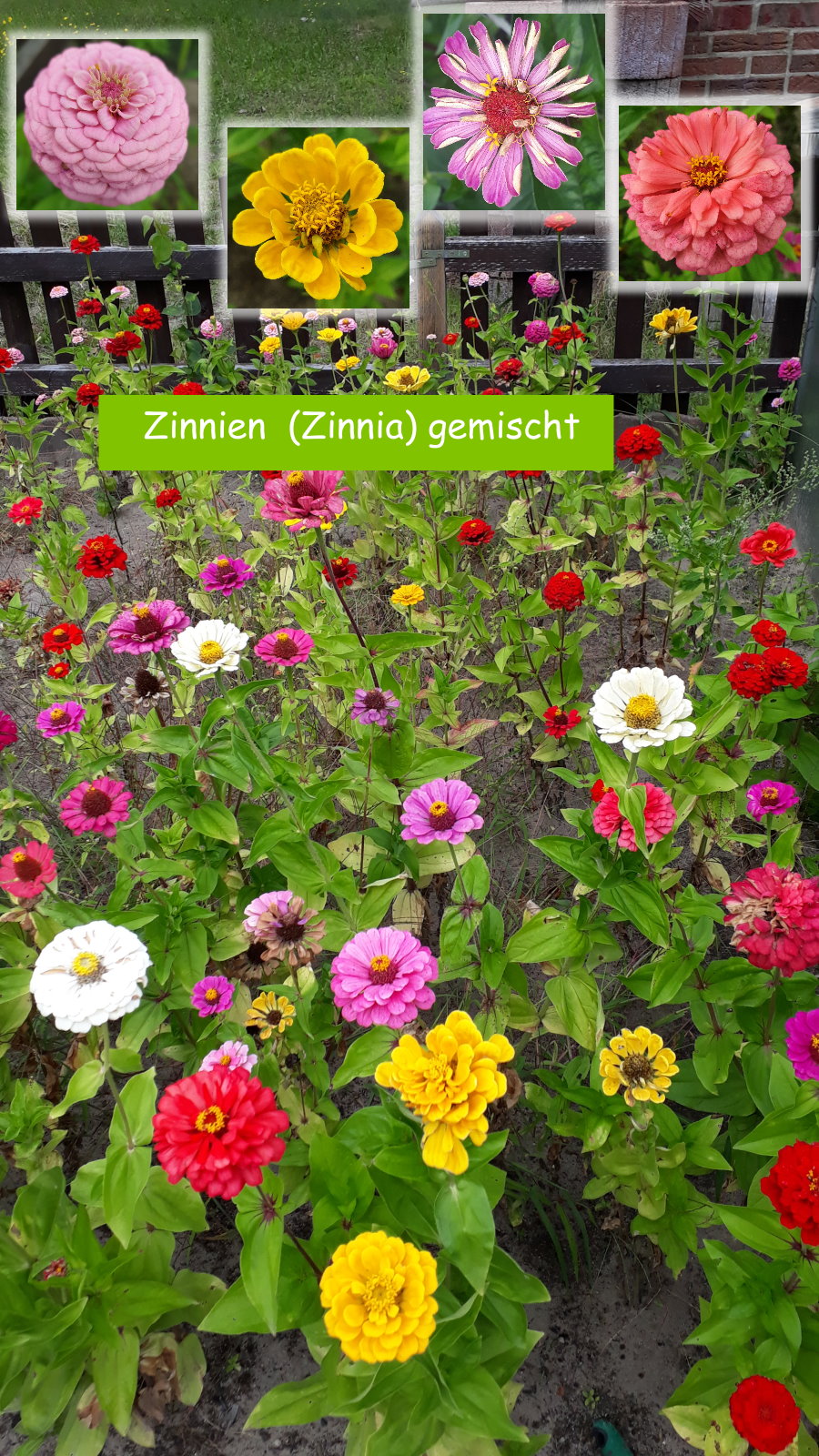
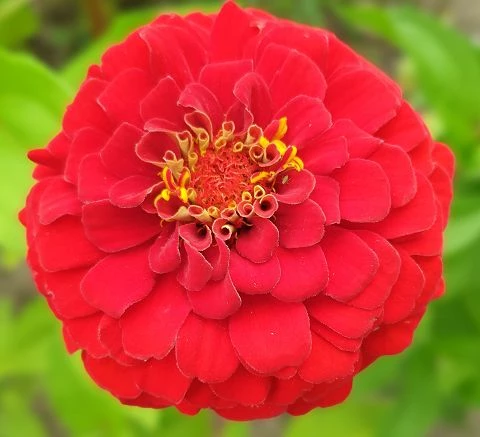
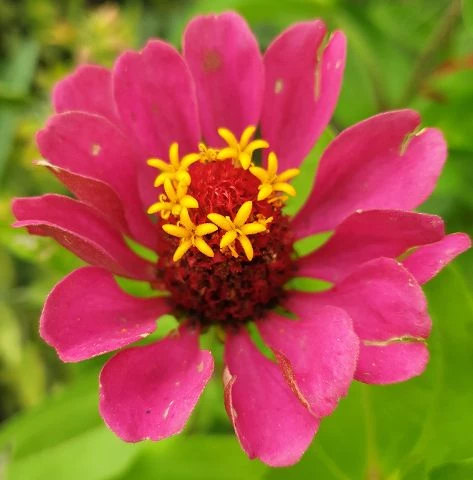
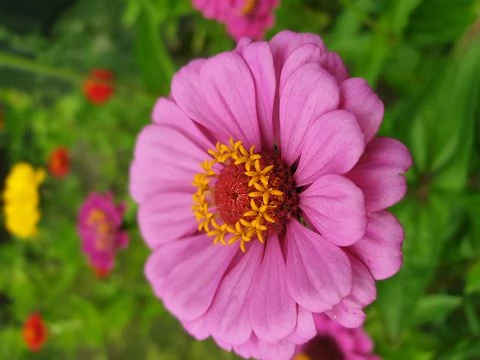
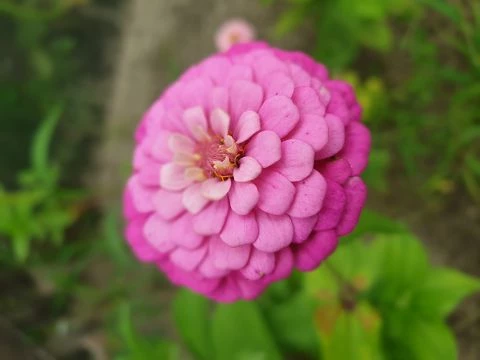
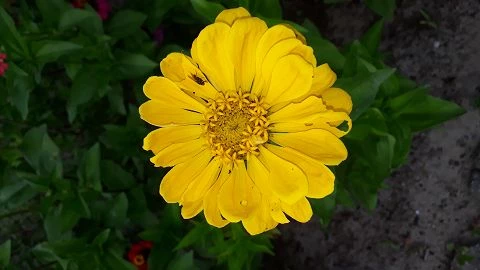
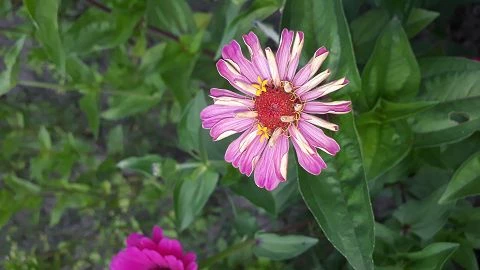
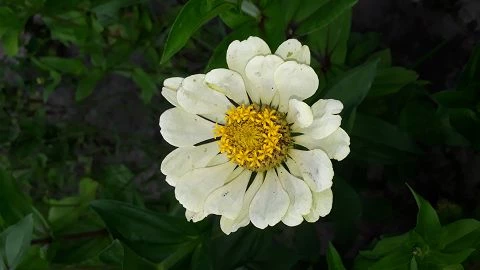
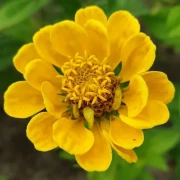
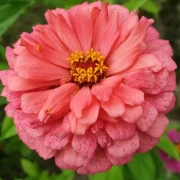
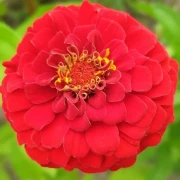
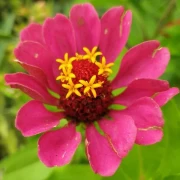
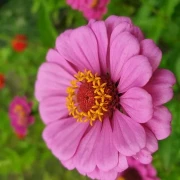
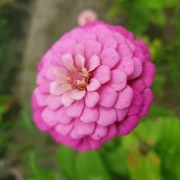
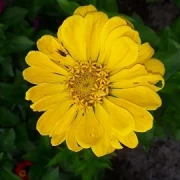
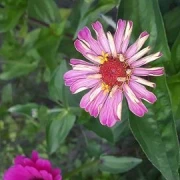
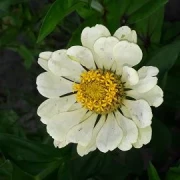

Zinnien (Zinnia) sind eine beliebte Gattung von blühenden Pflanzen aus der Familie der Korbblütler (Asteraceae). Sie sind bekannt für ihre leuchtenden Farben und die lange Blütezeit, was sie zu einer beliebten Wahl in Gärten und als Schnittblumen macht.
Merkmale
Aussehen: Zinnien sind meist einjährige Pflanzen, die je nach Art und Sorte Höhen von 20 cm bis über 1 Meter erreichen können. Sie haben dicke, grüne Blätter, die oft oval oder lanzettlich geformt sind.
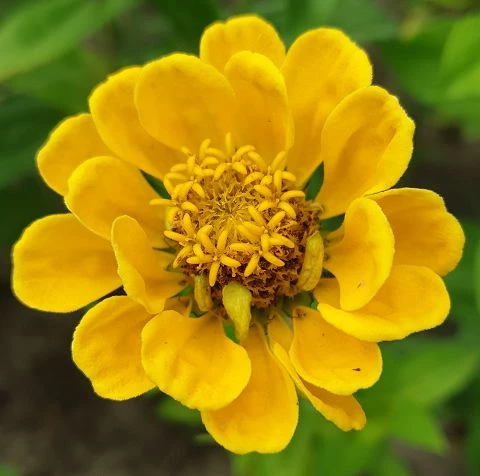
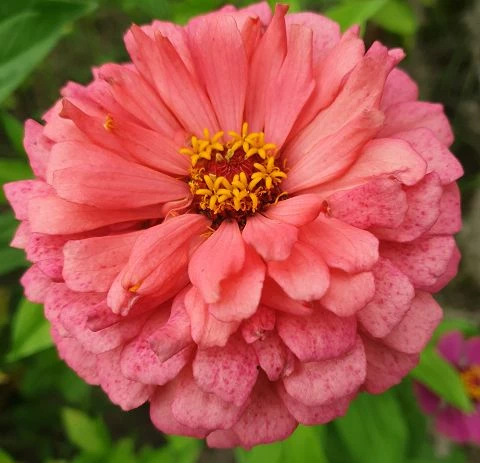
Blüten: Die Blüten sind auffällig und kommen in einer Vielzahl von Farben vor, darunter Rot, Orange, Gelb, Rosa und Weiß. Es gibt verschiedene Blütenformen, darunter einfache, halbgefüllte und gefüllte Blüten. Die Blütezeit erstreckt sich in der Regel von Sommer bis Herbst.
Arten und Sorten
Es gibt mehrere Arten von Zinnien, wobei die am häufigsten kultivierte Art die Zinnia elegans ist. Diese Art hat viele verschiedene Sorten hervorgebracht, die sich in Größe, Form und Farbe unterscheiden.
Standort und Pflege
Standort: Zinnien bevorzugen sonnige Standorte mit gut durchlässigem Boden. Sie gedeihen am besten in voller Sonne (mindestens 6 Stunden Sonnenlicht pro Tag).
Bewässerung: Die Pflanzen benötigen regelmäßige Bewässerung, besonders während trockener Perioden. Es ist wichtig, Staunässe zu vermeiden.
Düngung: Eine moderate Düngung während der Wachstumsperiode kann das Wachstum und die Blüte fördern.
Verwendung
Garten: Zinnien sind ideal für Blumenbeete, Rabatten und als Teil von Schnittblumengärten. Sie ziehen Bestäuber wie Bienen und Schmetterlinge an.
Schnittblumen: Aufgrund ihrer langen Haltbarkeit im Wasser werden Zinnien häufig als Schnittblumen verwendet.